|
Friends, You've heard me (Stoffel, here) talk about this before. Baseball is a big deal in our household. And being fans of the uber-small-market Milwaukee Brewers has been quite a trip this year. They had the best record in all of baseball. So as the playoffs have progressed and the team has done better than in recent years, how am I feeling? Surprisingly: sad. And the reason is simple: there's only a little bit of the season left. Regardless of how the season ends -- it's still going to be over in a short time. Finite vs infinite gamesBut it wasn't always this way for me. I used to live for the end-of-season judgment time.
Then I became an investor...and everything changed. There's no finish line. There's no celebration at the end of a year to crown the winner. December 31st becomes January 1st, and businesses keep on running, stocks keep on trading, and my returns keep on changing. For a while, this was a rather serious internal problem: I no longer had a solid marker by which to judge myself and the passing of time. But then I came upon Simon Sinek's The Infinite Game, and it changed how I approach things. In it, he argues our pursuits can be broken down into things that are finite and things that are infinite. Here's a way of visualizing it The beautiful thing about an infinite game is that it's never-ending with no reward at the end. But the terrible thing about an infinite game is that it's never-ending, with no reward at the end. Fifteen years ago, that realization got me to thinking: the real reward has to be the process itself. If that's not rewarding, then why am I doing it in the first place? That shift has made a huge difference. It's true that end-of-season type rewards (like winning the World Series!) provide an adrenaline and dopamine rush that's unmatched. But they are also rare, and are often followed up by a just-as-strong crash. The satisfaction that comes from process-oriented goals (like being intellectually curious, researching stocks, and parenting) is much more subdued, but they are also enduring. Perhaps I'm just getting older, but I'm now finding myself leaning much more heavily towards infinite games than finite ones. I think that over the long run, it's helpful to consider what types of games we're spending most of our time on. Wishing you investing success, |
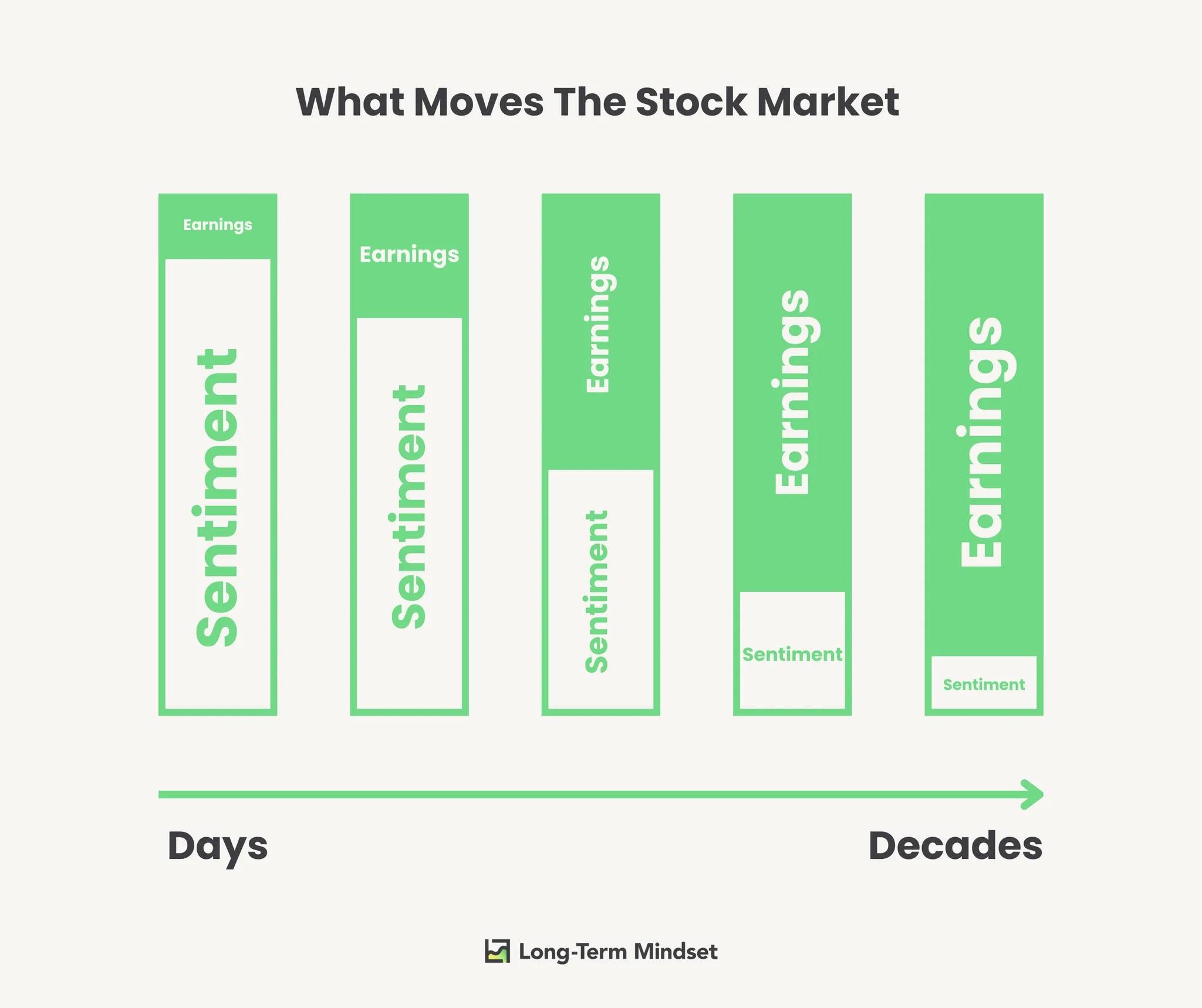
One simple graphic |
One piece of timeless contentPaying off a low-interest mortgage is a bad move on paper. Graham Stephan argued that for a decade, then paid it off anyway. He explains why in I paid off my 2.875% mortgage — Dave Ramsey was right. |
One resourceAI has made tremendous progress in the last year. What happens when you can't tell if the person on your video call is an AI? The Griffin AI convinced 48% of people they were talking to a human. |
One Stock DiveSpaceX (NASDAQ:SPCX) was the biggest IPO of all time. Here's a one-page overview of how I (Feroldi) rated the company in Stock Simplifier. |
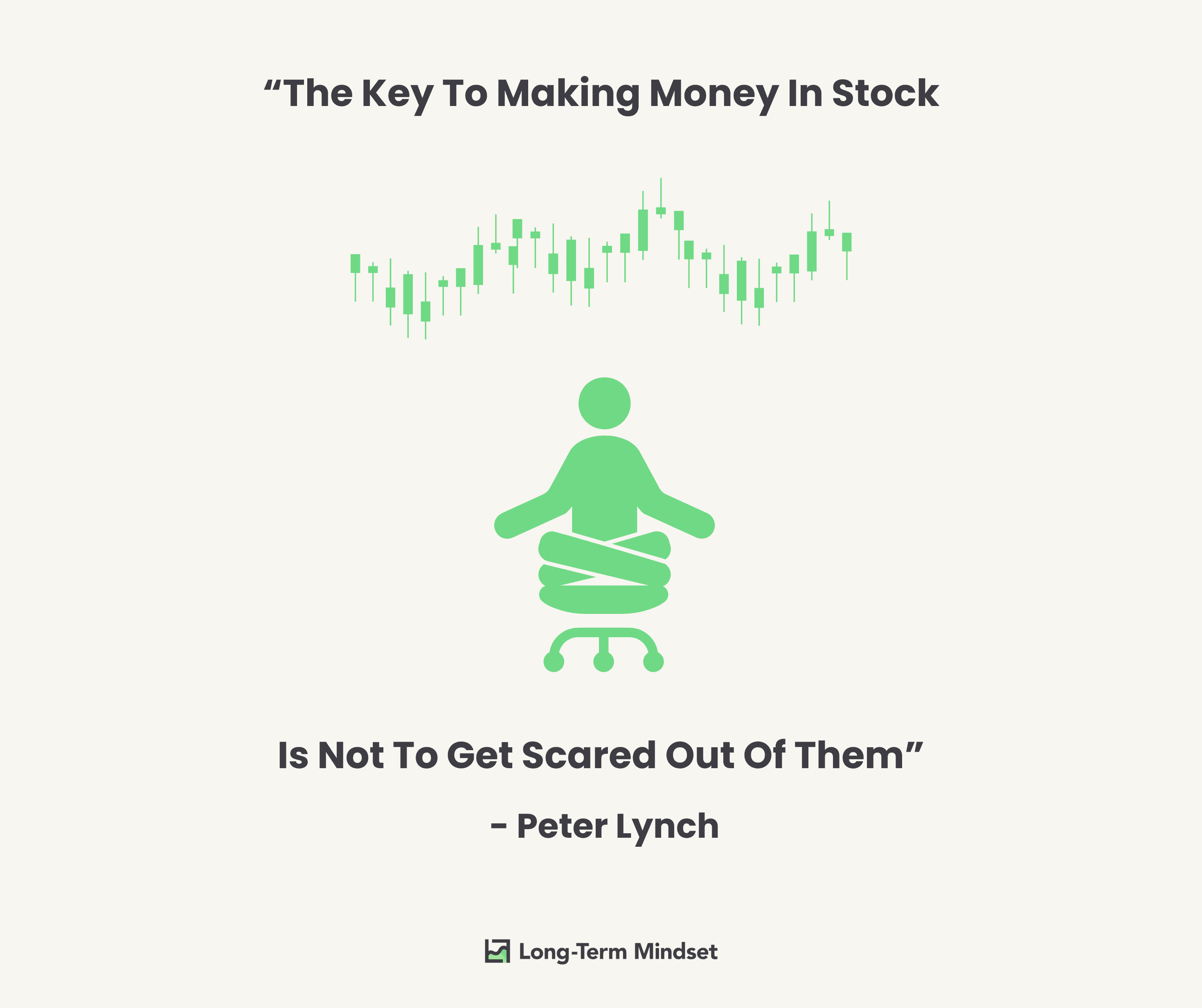
One quote |