|
Friends, In 2019, a man named Keith Gill bought $53,000 worth of GameStop shares. Less than two years later, Gill's investment was worth over $48 million. That's wild. But it's not the craziest part. This is: between Gill buying shares and him becoming a multi-millionaire, GameStop, the company, continued crumbling. A week after Gill hit his peak, GameStop reported that full-year revenue shrank over 20% -- as the company was forced to close over 10% of its existing locations. When things like this happen, normal people make a simple observation: The stock market is rigged. It has absolutely nothing to do with real life. We don't blame folks for drawing that conclusion. But it's incomplete. And it's vital you understand why. Connected via a long tetherWhen we first started investing, we came to similar conclusions. If a group of investors wanted to sink a stock, they could just sell it short. If they wanted to see it go up, they could pump it "to the moon" on leverage. And that's true...over the short-term. But over the long run, there are key ways the stock market is connected to reality, albeit via a very long tether. In reverse order of importance:
While we might not think about it that often, these four are vital in making sure that -- over the long run -- the stock market reflects economic reality. Last week's reminderThis lesson was brought into focus last week when it was reported that Silver Lake (a private equity firm) was in talks to take Workday (an enterprise software company) private for $51 billion. Up until that point, shares of Workday were down over 40% from all-time highs. The narrative: AI was going to make it possible for firms to develop their own HR and Finance tools that would render Workday obsolete. That may still come true, but Silver Lake isn't so worried about the market's vibes. That's because -- in the real world -- Workday generated about $3 billion in free cash flow over the past year. And the business is still growing -- and expected to grow -- double digits moving forward. That means Silver Lake could purchase something with a 6% free cash flow yield, and that cash flow is still growing. Not a bad deal at all. This is exactly what Warren Buffett was getting at when he said: Only buy something that you'd be perfectly happy to hold if the market shut down for 10 years The short-term can be governed by a million different things. It's usually the aggregate of which chemical is more prevalent in investors' minds that day: norepinephrine (fear) or dopamine (greed). But over the long run -- the only timeline that truly matters on your deathbed -- it's what happens in the real world that acts as the true filter for great investments. Wishing you investing success, |
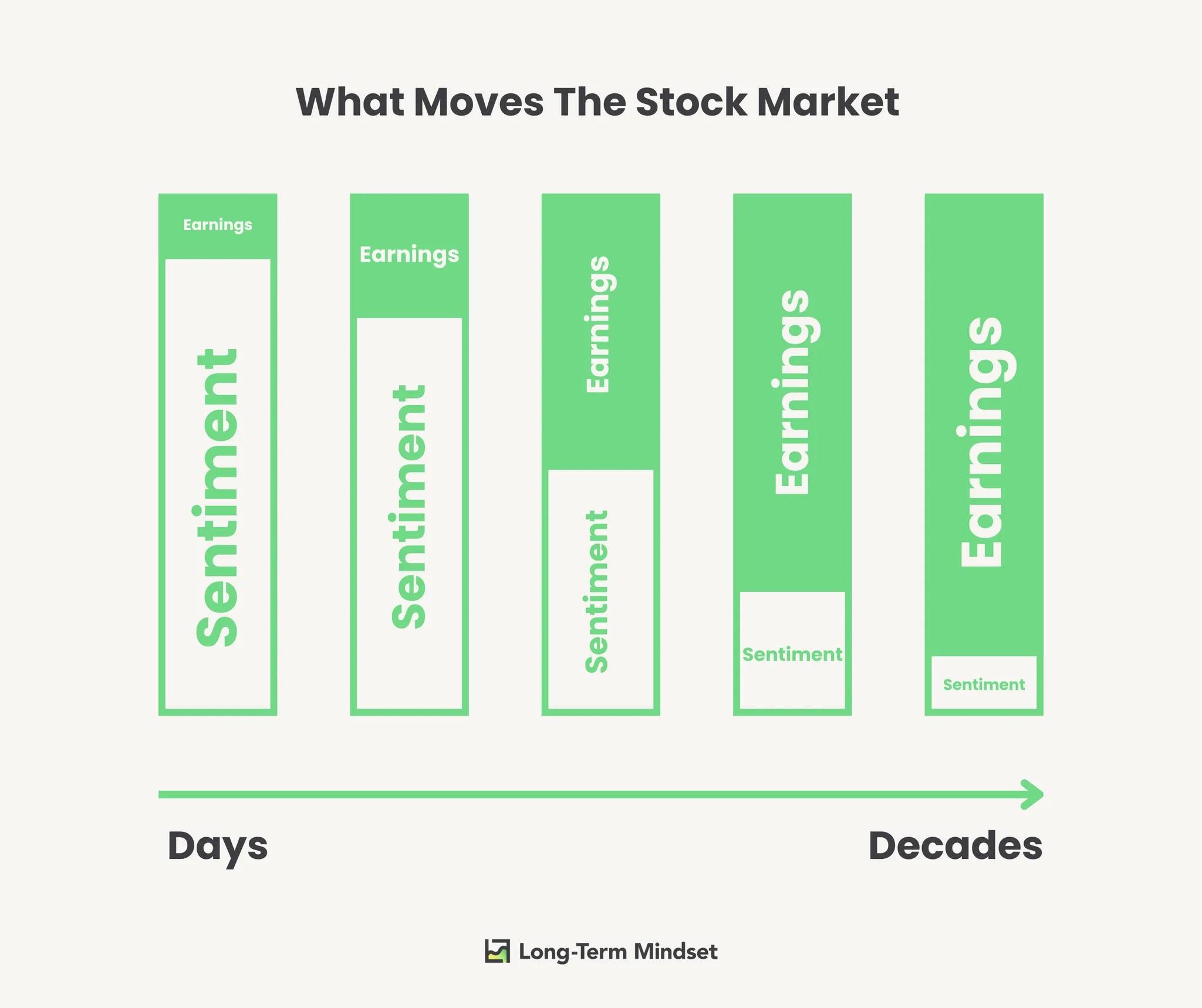
One simple graphic |
One piece of timeless contentDave Ahern from Dividend.School is a great follow for those interested in generating income from their investments. His educational articles are top-notch, and Forget Yield: 5 Metrics That Separate Real Dividend Compounders From the Pretenders is well worth the time. |
One resourceJoanna Stern, a long-time tech writer for the Wall Street Journal, has left WSJ and has gone out on her own. She spends time diving into AI for her readers and shares how you can train robots and make money. |
One Stock DiveFiscal.ai has enabled premium users to generate AI-powered stock research reports. This week, Nebius Group N.V. (NASDAQ: NBIS), a company building full-stack infrastructure to service the global AI industry, is on our radar.
|
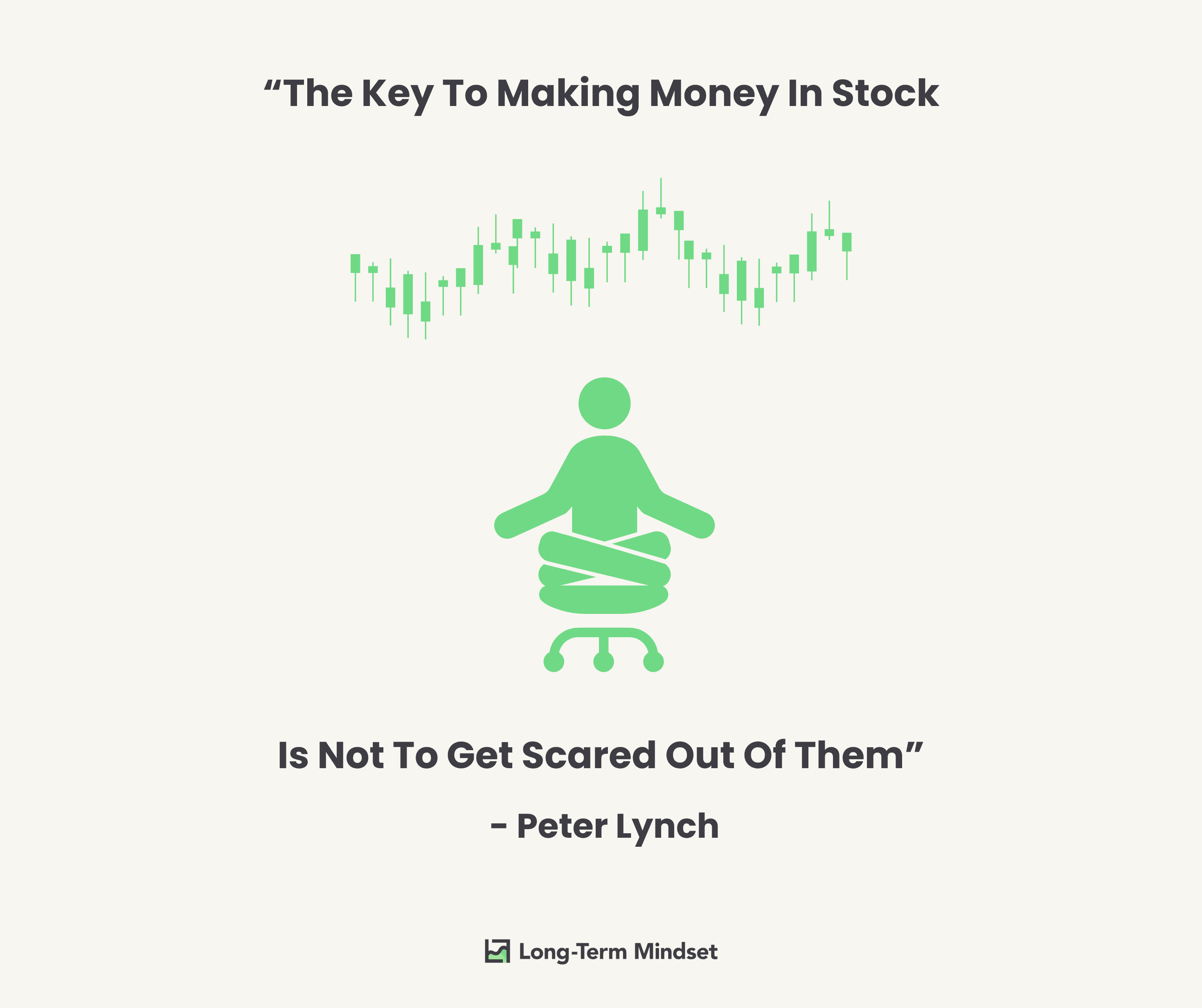
One quote |